EHS training: why knowledge validation makes all the difference
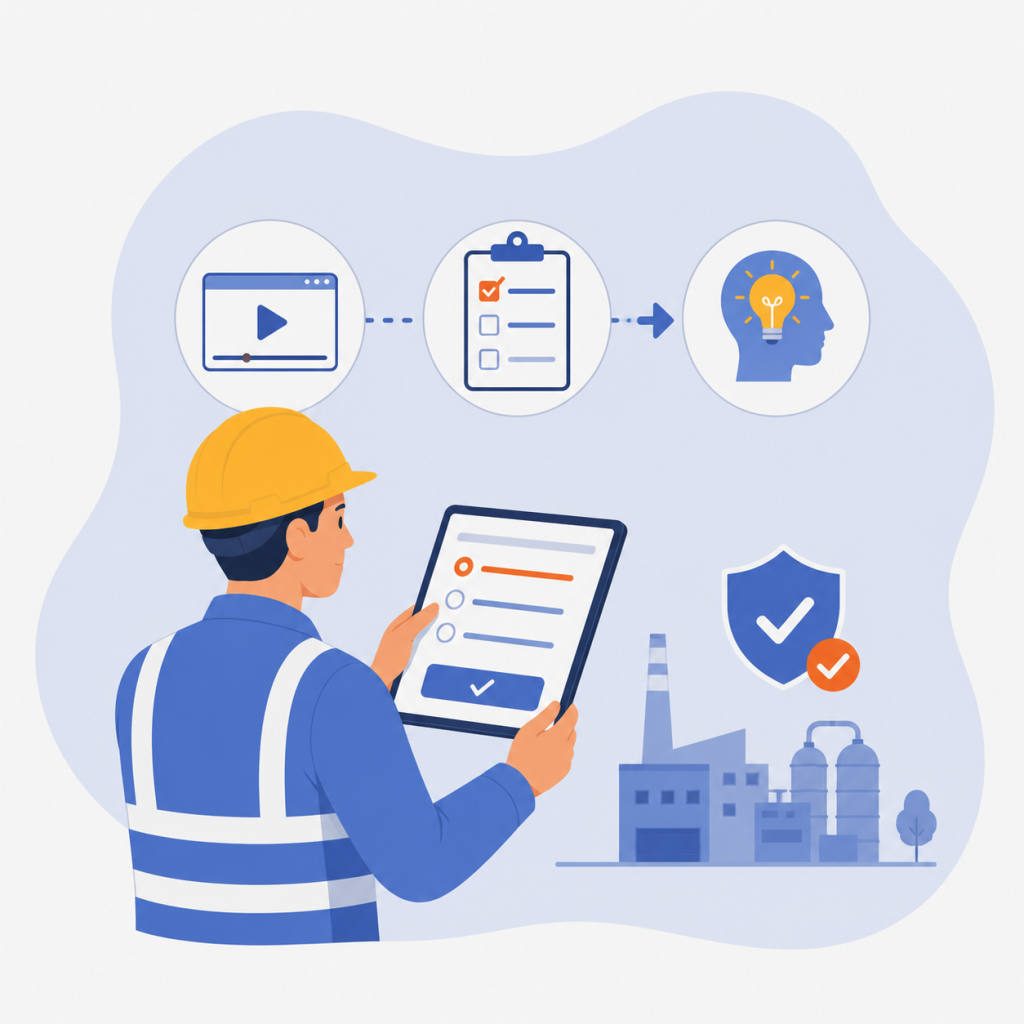
In many organizations, EHS training and Safety Induction programs still follow a relatively straightforward principle: provide the right information to the right people at the right time.
How digital Safety Induction strengthens EHS compliance
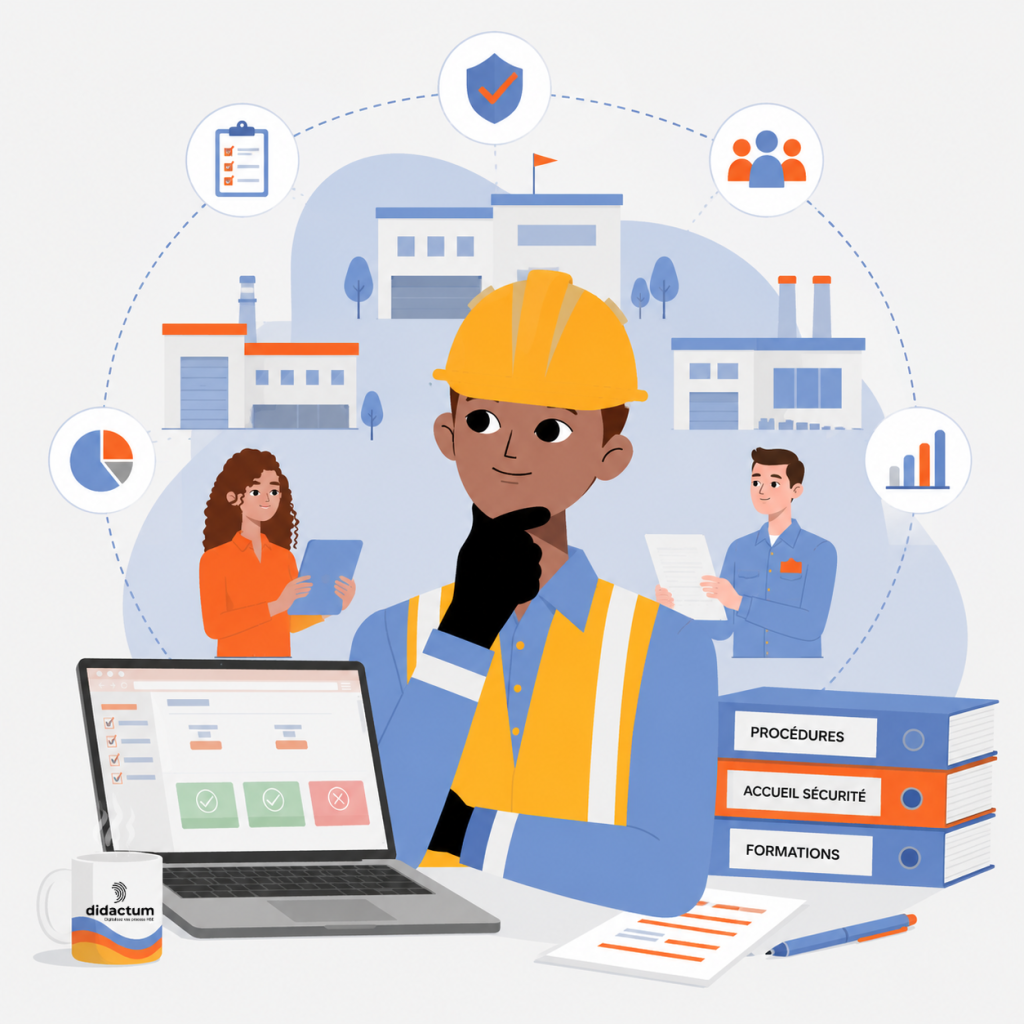
In many industrial organizations, Safety Induction is still viewed as little more than an administrative step before employees, contractors, or visitors are granted access to a facility. In reality, it serves a much broader purpose. An effective Safety Induction helps organizations meet their EHS compliance requirements by ensuring that everyone entering the site understands the hazards they may encounter, the safety rules they must follow, and the behaviors expected of them.
Safety induction: why traditional approaches are no longer enough

For many years, Safety Induction followed a relatively straightforward process. New employees, contractors, and visitors would arrive on site, attend an in-person presentation, sign a sign-in sheet, and then be granted access to the facility.
Multi-site safety induction: why a single message isn’t always the best approach
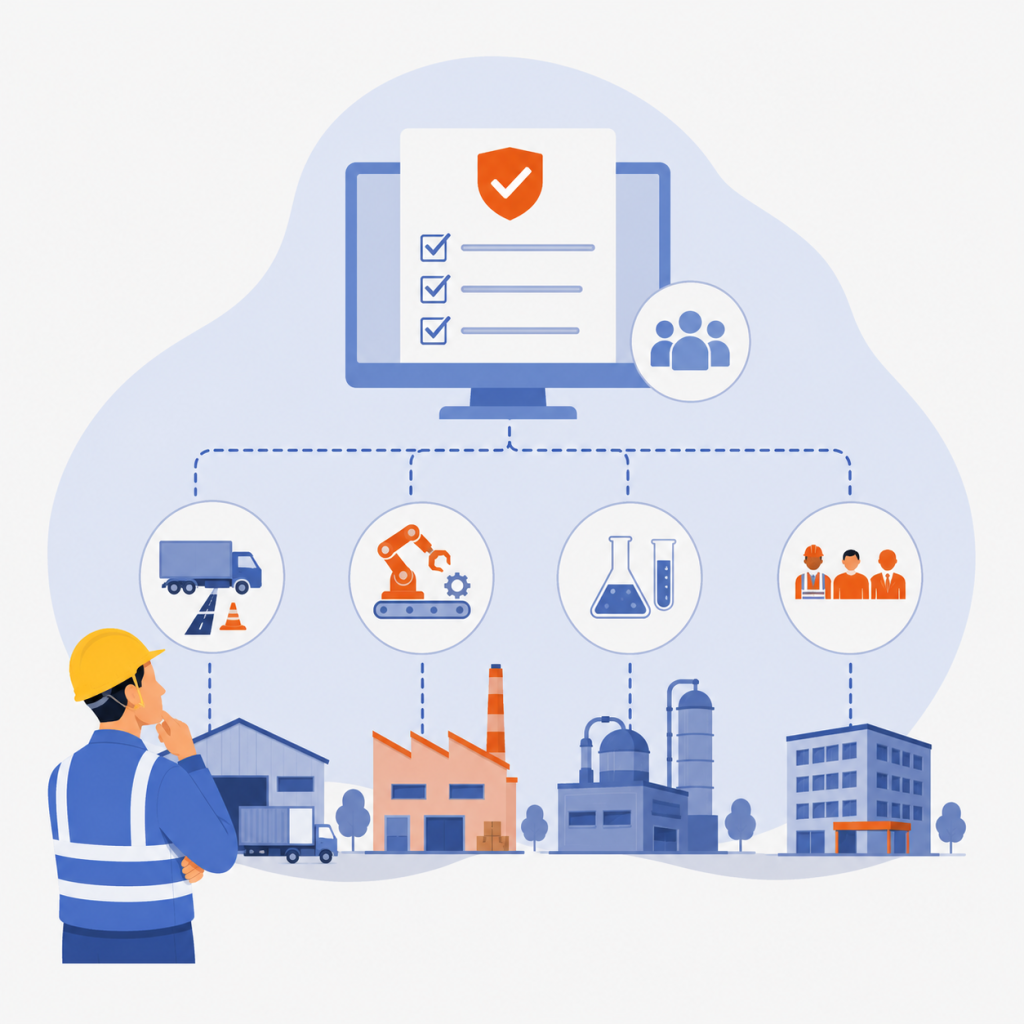
For organizations operating multiple industrial sites, standardizing EHS practices quickly becomes a priority. The goal is a valid one. Standardization helps build a shared safety culture, simplifies EHS management, and ensures consistent standards across the organization.
From prevention plan preparation to intervention management: centralizing information to improve efficiency
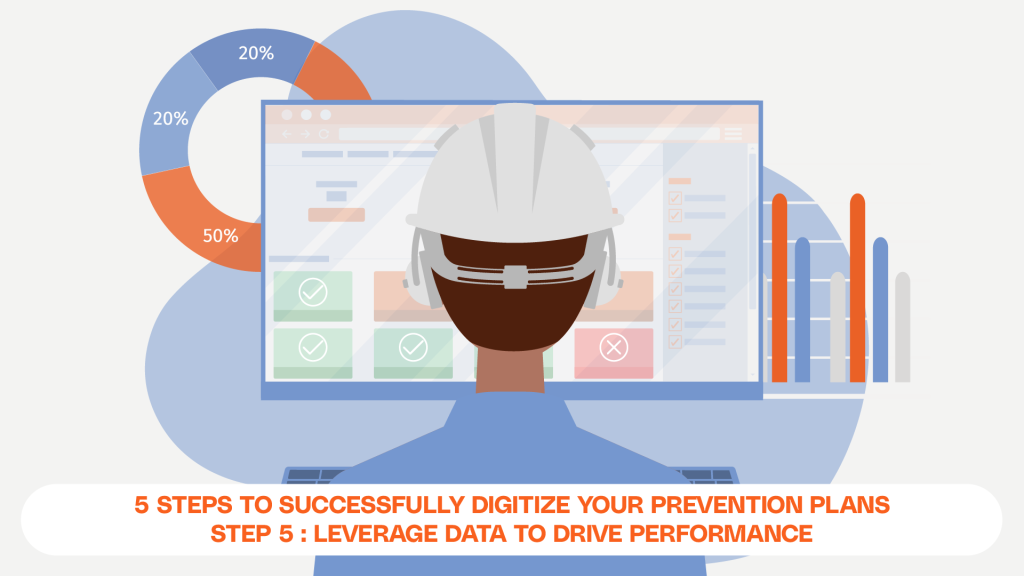
A digitized prevention plan, approved, enriched by contractors… yet impossible to find when it is actually needed. This scenario is more common than many organizations realize. Digitalization only delivers on its promises when information is centralized, accessible within seconds, and easy to use. That is what transforms an administrative document into a true operational management tool.
Streamlining prevention plan approvals: traceability and document compliance
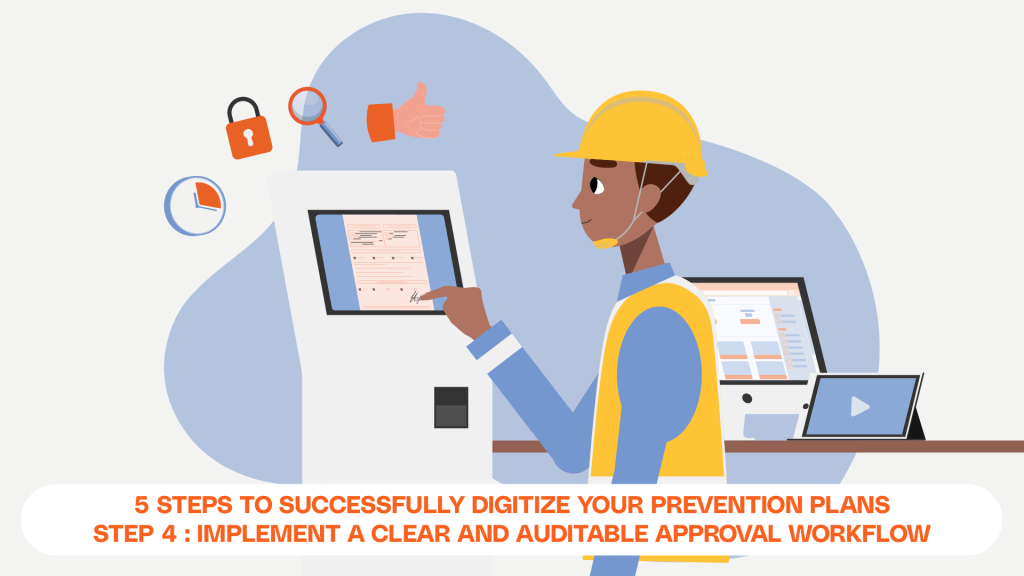
Prevention plan approval is a critical step: it formalizes stakeholder commitments and governs how the intervention is carried out within a clear framework. Yet on many industrial sites, this phase remains one of the most time-consuming, especially when the process relies on email exchanges, printing and scanning documents, and managing multiple versions.
Prevention plan: why the external contractor experience is a key factor in reliability
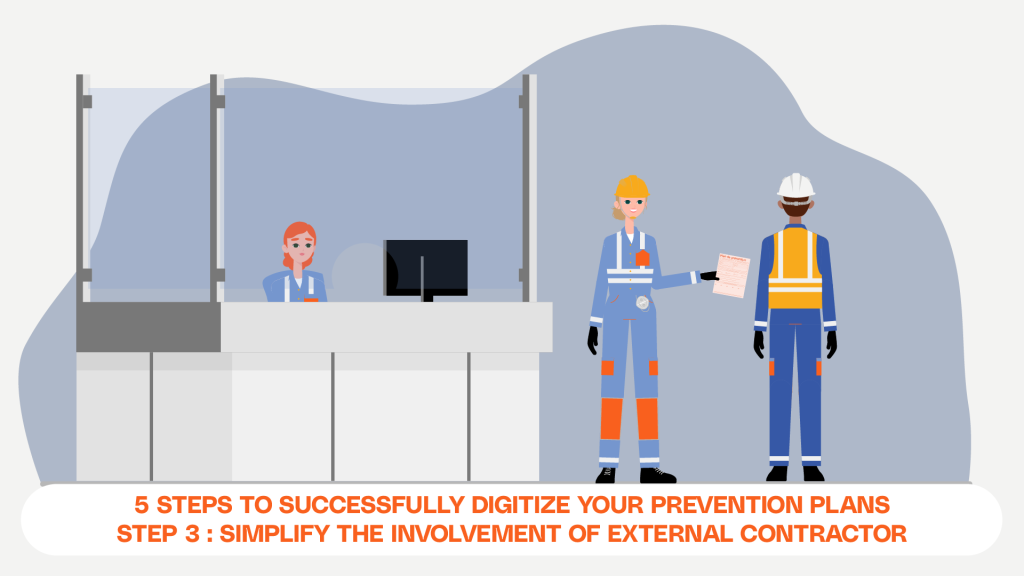
A prevention plan is a collaborative document. While it is often managed by site EHS teams, its quality largely depends on the information provided by external contractors. Scope of work, staffing, equipment, certifications—without reliable and complete data, intervention planning remains fragile.
In this context, digitalization is not just about changing tools. It raises a key question: how can you truly facilitate external contractor involvement without increasing their administrative burden or multiplying time-consuming back-and-forth?
How to build a prevention plan workflow that is both robust and flexible
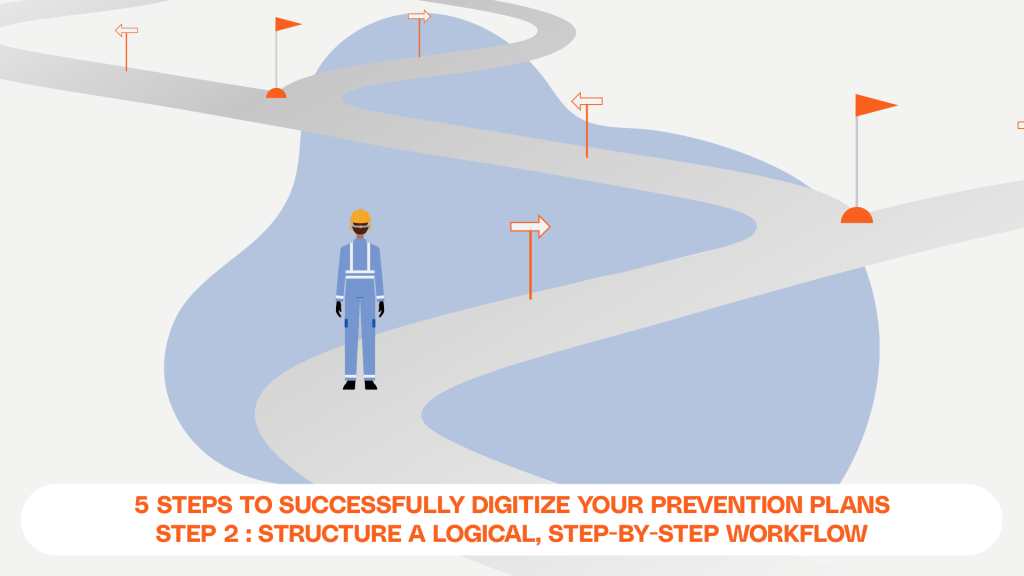
A workflow that is too rigid will be bypassed by teams. Too permissive, and plan quality breaks down. Finding the right balance is one of the core challenges of digitalizing prevention plans.
In this five-part series, we outline a simple and practical method, starting—as seen in step one—from the real-life process rather than a theoretical model. Today, step 2: how to build a prevention plan workflow that is both robust and flexible.
Digitalizing a Prevention Plan: Why start from the real process, not the theoretical model
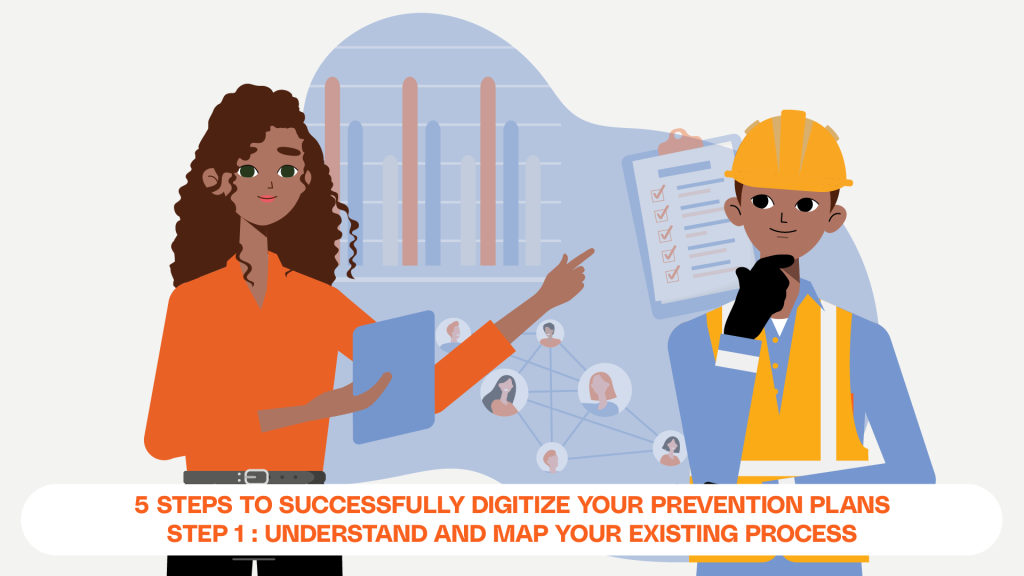
The digitalization of Prevention Plans is now a key challenge for many industrial sites. Time savings, information reliability, traceability, and document compliance are well-known expected benefits. Yet some projects struggle to deliver the expected results, or face limited adoption by teams.
Achieving successful EHS digitalization: 5 performance drivers for your industrial site
EHS digitalization has become a top priority for many industrial sites. Yet between operational constraints, resistance to change, and ill-suited tools, projects don’t always deliver the expected results.