
Digitalizing a Prevention Plan: Why start from the real process, not the theoretical model
Digitalizing Prevention Plans is not about simply “putting a PDF online.” To be useful in the field, digitalization must structure the process, improve information reliability, and streamline collaboration between site stakeholders and external contractors.
In this five-part article series, we walk through a simple, operational method. Step 1: digitalizing a Prevention Plan means starting from the real process, not the theoretical model. Step 1: digitalizing a Prevention Plan means starting from the real process, not the theoretical model.
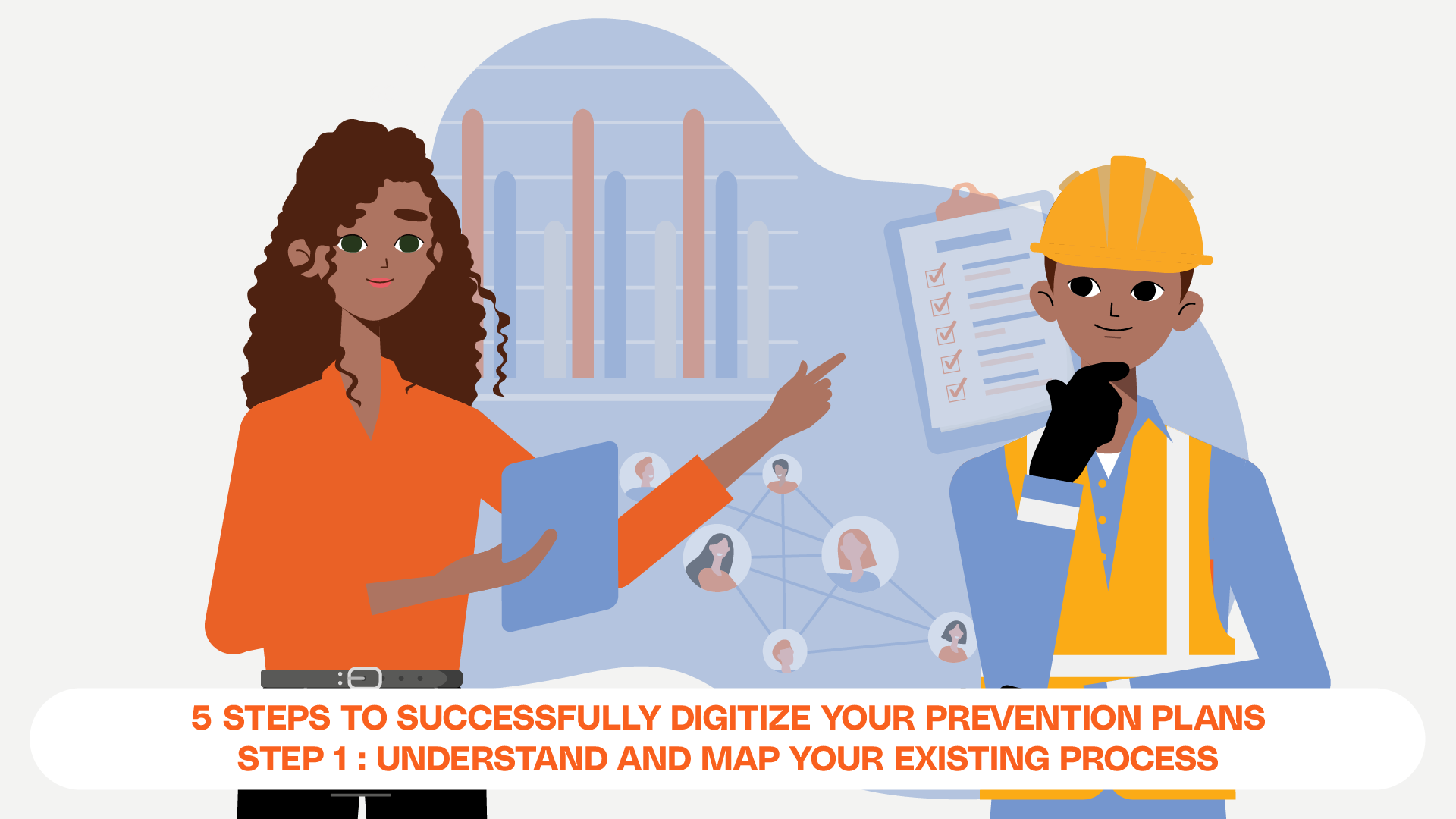
The digitalization of Prevention Plans is now a key challenge for many industrial sites. Time savings, information reliability, traceability, and document compliance are well-known expected benefits. Yet some projects struggle to deliver the expected results, or face limited adoption by teams. The reason is often the same: digitalization is based on a theoretical process, disconnected from how things actually work in the field.
Before choosing a solution or structuring a workflow, one step is therefore essential: understanding and modeling how the Prevention Plan is actually prepared and approved on site.
The common gap between procedure and operational practices
On paper, the Prevention Plan process is generally well defined: description of the work, analysis of interference risks, definition of prevention measures, stakeholder approval, and archiving. In reality, practices are often more nuanced.
Over time, each industrial site develops its own habits:
- additional documents added depending on the type of work;
- informal approvals before the final signature;
- adjustments based on urgency or risk level;
- different organization depending on departments or teams.
These adjustments reflect the site’s adaptation to operational constraints. However, ignoring them during a digitalization project is a common mistake. Digitalizing only a theoretical model means deploying a tool that does not reflect users’ day-to-day reality, which limits both its effectiveness and adoption.
A decisive step for successful digitalization
The first step in a digitalization project is therefore not to transfer a paper document into a digital tool. It is to analyze, formalize, and structure the existing process as it actually works.
This approach makes it possible to build on existing practices, clarify roles and responsibilities, and secure information exchanges before work begins. The objective is not to challenge the site’s organization, but to establish a clear framework shared by all stakeholders involved in preparing Prevention Plans.
Create an operational map of the process
In practical terms, this step involves creating an operational map of the Prevention Plan process. It can be based on interviews, workshops, or the analysis of existing plans. It should answer very practical questions:
Who is involved, and at what stage?
EHS teams, maintenance, production, management, external contractors.
Which documents are actually used?
Prevention Plans, specific permits, risk analyses, authorizations, attachments.
How are approvals organized?
Approval flows, timelines, control points.
Which situations require special handling?
High-risk work, complex coactivity situations, less familiar external contractors.
This mapping process helps make often implicit practices visible and creates a shared foundation for structuring the future digital workflow.
Identify friction points in the existing process
This analysis phase also highlights the operational difficulties encountered when preparing Prevention Plans:
- incomplete or hard-to-collect information;
- multiple exchanges by email or across different tools;
- lack of visibility into the progress of a plan;
- uncertainty about the approved version.
These friction points are not unusual: they are part of daily life on many industrial sites. Clearly identifying them makes it possible to design a digitalization approach that simplifies the teams’ work instead of making processes more complex.
These difficulties also explain why a digital EHS tool must be designed around the site’s real-world practices, rather than as a simple transposition of an existing file, form, or approval workflow.
Adapt the digital solution to the site’s practices
Once the real operating process is understood, digitalization can fully play its role: structuring and improving the reliability of the process without making it rigid.
The digital workflow then becomes a support tool. It guides users, secures the required information, and harmonizes practices while remaining adaptable to the different situations encountered on site.
This fit between the tool and operational reality is what drives adoption by EHS teams, internal departments, and external contractors.
An essential foundation for the rest of the project
Understanding and modeling the existing process is therefore the foundation of any effective Prevention Plan digitalization project. Without this step, the expected gains in reliability, traceability, and organization remain limited.
Conversely, a thorough analysis of field practices makes it possible to design a clear, relevant workflow that is genuinely useful in day-to-day operations. This foundation then supports the next steps: structuring the user journey, involving external contractors, streamlining approvals, and centralizing access to Prevention Plan information.
Key takeaway: digitalization is effective when it fits into the site’s real operating model and simplifies the preparation of interventions.
Next step: structure a logical and flexible workflow that guides users without making field operations rigid.
To keep the full picture in mind: download the technical sheet “Prevention Plan — the 5 steps to successful digitalization.”
Ready to digitalize your prevention plans?
At Didactum, for 30 years, we have been supporting EHS teams through this transformation by offering a SaaS platform designed for the realities of the industrial field. If you would like to discover how to simplify the management of your prevention plans while strengthening your compliance, contact our team to discuss your needs.
We put this expertise to work to guide you through your EHS digitalization project
Our experts are of course available to support you every step of the way.
Contact us today for a personalized consultation and discover how our solutions can precisely meet your needs.
 Contact us